A Parchment Guide
Writing Retreats in India — and Why the Himalayas Call
What to look for in a writing retreat, how a Himalayan landscape changes the work, and what to pack for a week away with your manuscript.
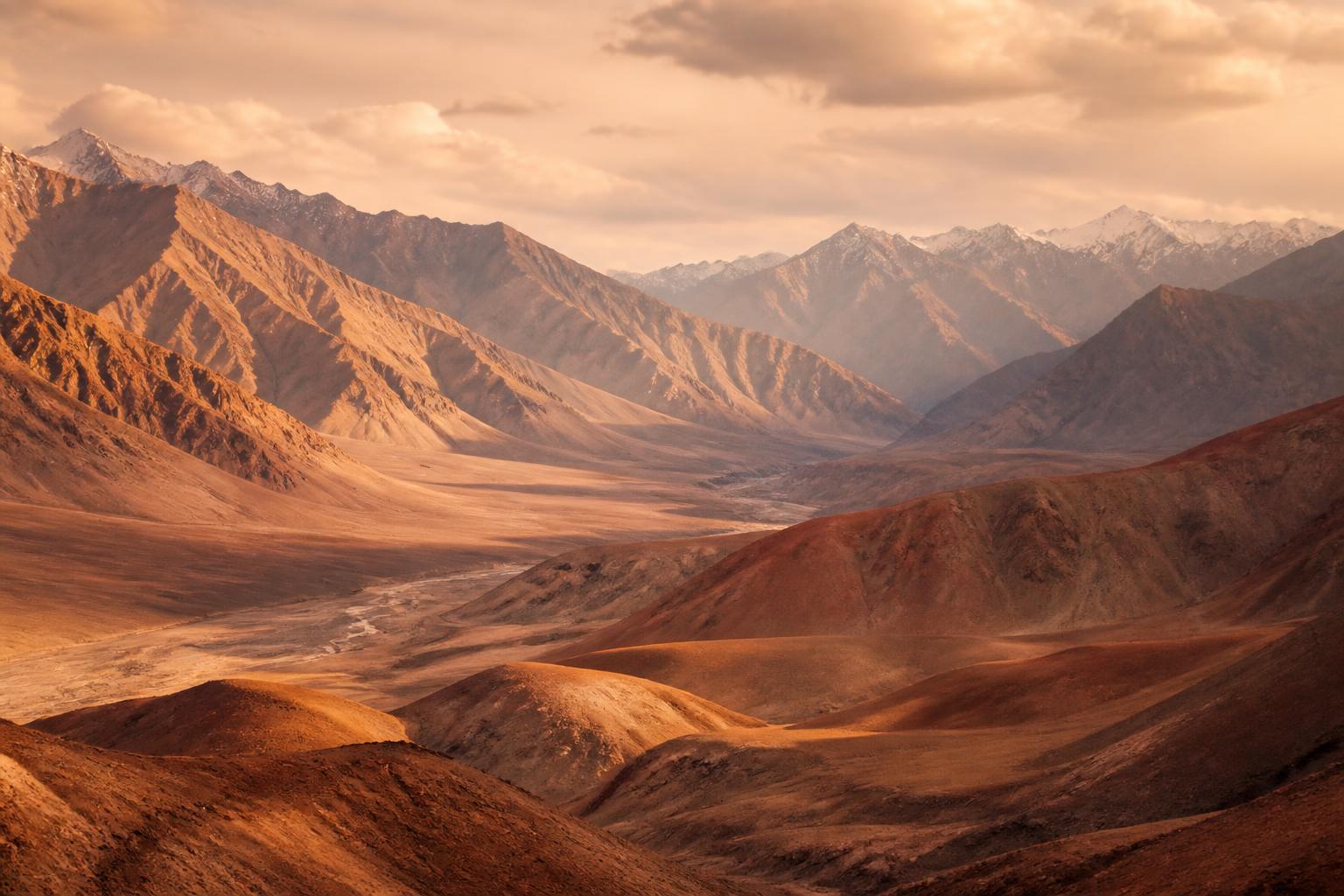
A writing retreat is not a holiday. It is a deliberate clearing of space — around the desk, inside the day, and in the mind — so that a manuscript can speak again. In India, retreats have taken root in the hills, by the sea, and in quiet corners of old cities. But there is something particular about the Himalayas that draws writers back.
What Makes a Writing Retreat Worth It
The best retreats do three things at once: they protect your time, offer honest craft feedback, and place you among people who take the work seriously. A beautiful location helps, but it is not enough. Look for a retreat with a clear daily rhythm — writing blocks, workshops, and space to rest — and mentors who have actually lived the writing life.
Ask yourself what stage you are at. If you are circling a first draft, you may need structure and prompts. If you are deep in revision, you may need silence and one-on-one feedback. If you are returning to the page after years away, you may simply need permission — and a room with a door that closes.
Why Writers Choose the Himalayas
There is a reason the Himalayan writing retreat has become its own genre. The altitude, the silence, and the scale of the mountains do something to language. Sentences become slower and more precise. The ego, which usually clutters the first draft, is given some perspective by a 6,000-metre peak.
Ladakh, in particular, offers a rare combination: dramatic landscape, sparse population, and a culture that has long valued contemplation. Leh is reachable by air, yet feels far from the noise of the plains. The light is sharp, the nights are cold, and the days can be shaped entirely around the work.
What a Week Typically Looks Like
Most writing retreats in India run for five to seven days. A good schedule balances instruction with solitude. Mornings are often reserved for craft workshops — voice, structure, dialogue, revision. Afternoons are for writing. Evenings might bring readings, conversations, or simply long walks.
The cohort matters. A small group means every voice is heard. A mixed group — novelists alongside poets, memoirists alongside journalists — often produces the most surprising conversations. The retreat becomes a temporary literary community, and many writers stay in touch long after the last day.
How to Prepare
Come with a project, even a fragile one. Bring comfortable clothes for mountain weather, a notebook that you actually like, and any research materials you cannot find online. Leave behind the assumption that you will produce a masterpiece in a week. Retreats rarely finish books; they reopen them.
Acclimatise if you are heading to altitude. Drink water, move slowly on the first day, and trust that the work will find its pace along with your body.
Parched: A Retreat for Writers & Storytellers
At Parchment Publications, we have built the kind of retreat we ourselves have always wanted. Parched is a six-day, intimate residential writing retreat. It is open to writers at any stage, working in any form, with dates and location for the first edition to be announced.
The days follow a gentle rhythm: morning craft sessions, long afternoon writing blocks, one-on-one mentorship, and evening readings. Beyond the writing room, there is time to step away — and the kind of quiet that lets new sentences arrive.
Dates
To be announced
Cohort
Intimate group
Mentorship
One-on-one sessions
Finding the Right Retreat for You
Whether you choose Parched or another retreat, the right one is the retreat that matches your current need. Be honest about that need. Some writers need instruction. Some need silence. Some need a deadline. The best retreat is the one that gets you back to the page — and keeps you there after you return home.
If you are considering a writing retreat in India, start by asking the organisers three questions: Who will be mentoring? What is the daily schedule? And what happens after the retreat ends? The answers will tell you whether the retreat is built around the writing, or only around the view.